A timeless symbol of beauty and prestige
For centuries, blue sapphires have held a distinguished place among the world’s precious gemstones. Their colour has been associated with wisdom, fidelity, refinement and royal authority, while their durability has made them treasured across generations.
Sapphire is a gemstone variety of the mineral corundum, composed of aluminium oxide. Although sapphires occur in many colours, blue remains the most widely recognised. Its colour is typically linked to iron and titanium within the crystal; the red variety of corundum is known as ruby.
Historic trading centres in Asia, including Sri Lanka, supplied sapphires for centuries before the Himalayan deposits of Kashmir entered the international market. Yet few sources have acquired a reputation quite like Kashmir, where exceptional colour and a remarkably short period of major production created a lasting legend.
The Himalayan origin
The celebrated Kashmir sapphire deposits lie high in the northwestern Himalayas near Sumjam — also written Soomjam — in the Paddar region of today’s Kishtwar district, Indian-administered Jammu and Kashmir. The historic workings sit at approximately 4,500–4,600 metres above sea level, surrounded by steep slopes, snowbound passes and difficult terrain.
These stones are commonly called Kashmir sapphires in international trade. The name refers to the historic mining origin in the wider Kashmir region, not to the Kashmir Valley itself. Geological and trade literature also associates the area with the nearby Zanskar mountains.
The discovery that changed sapphire history
Accounts differ slightly, but most place the discovery around 1881. According to widely cited reports, a landslide exposed sapphire-bearing rock in a remote mountain valley. Stones from the locality reached traders, and their exceptional blue colour quickly attracted attention.
The discovery was investigated by the authorities of the princely state of Jammu and Kashmir. Early geological publications, including a report in 1882 and a detailed survey by T. D. La Touche following his 1887 visit, established the location in the scientific record.
The golden years: 1882–1887
The years from approximately 1882 to 1887 are widely regarded as the great productive period of the original deposit, later known as the “Old Mine.” During this brief interval, unusually fine crystals were recovered, including material with rich, evenly distributed blue colour and a soft luminous appearance.
These sapphires became sought after by gem merchants and affluent buyers beyond the Himalayas. By the end of the decade, production from the most celebrated workings had declined sharply. Because exceptionally fine stones from this period were produced for such a short time, they acquired extraordinary prestige in jewellery collections and, later, the auction market.
Not a vanished stone: Kashmir sapphire should not be described as a gemstone that can no longer be found. A 2024 report in GIA’s Gems & Gemology documented small quantities of newly recovered Kashmir material, including stones brought to market after cutting and, in some cases, conventional heat treatment.
Later exploration and the New Mine
Mining did not stop after the Old Mine’s decline. Efforts continued on secondary deposits and at workings known as the “New Mine” in the early twentieth century, with intermittent operations into the 1920s. Later material generally did not reproduce the sustained supply of exceptional gems associated with the original discoveries.
The distinctive beauty of Kashmir sapphire
Cornflower blue and the velvety glow
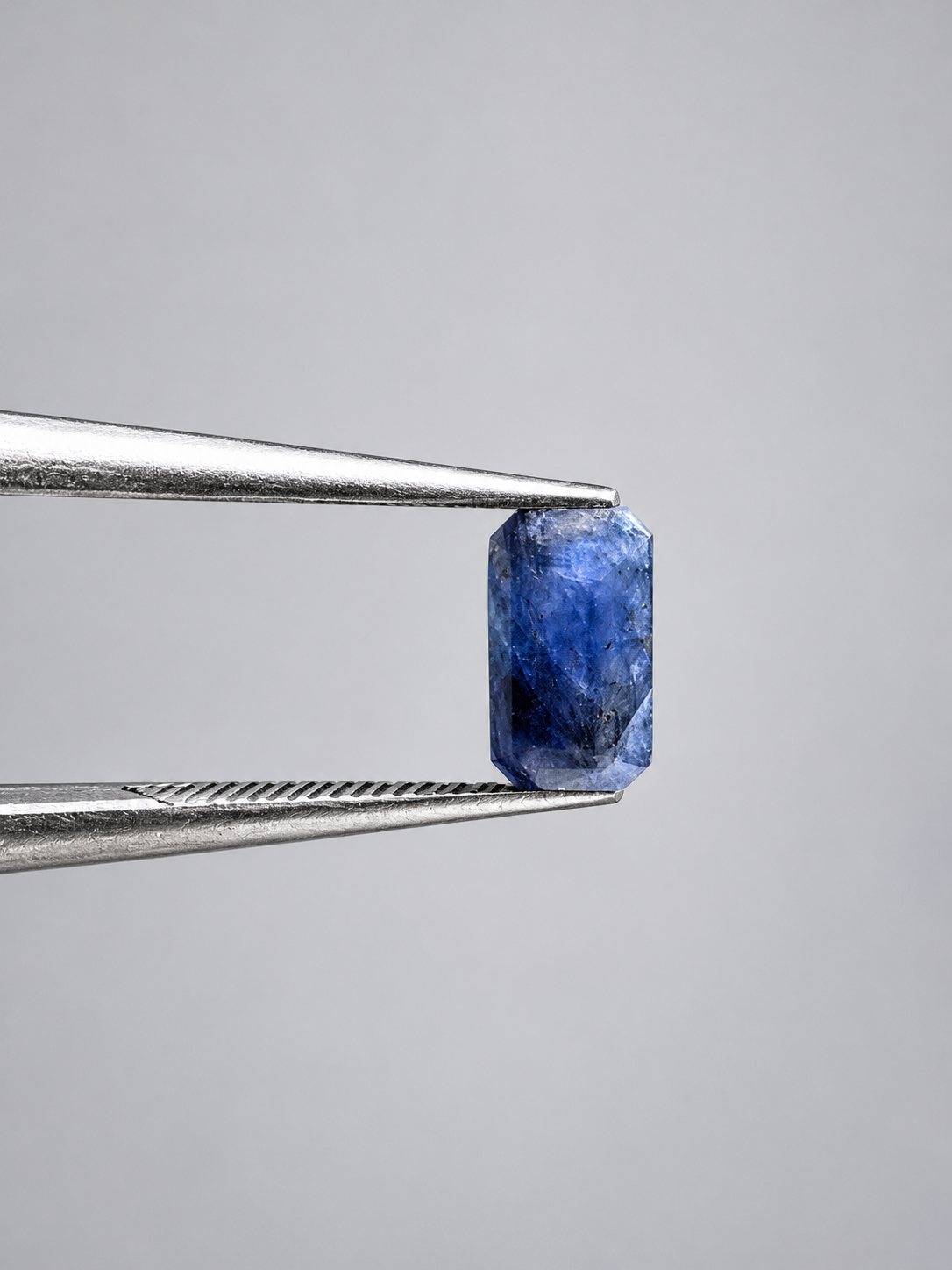
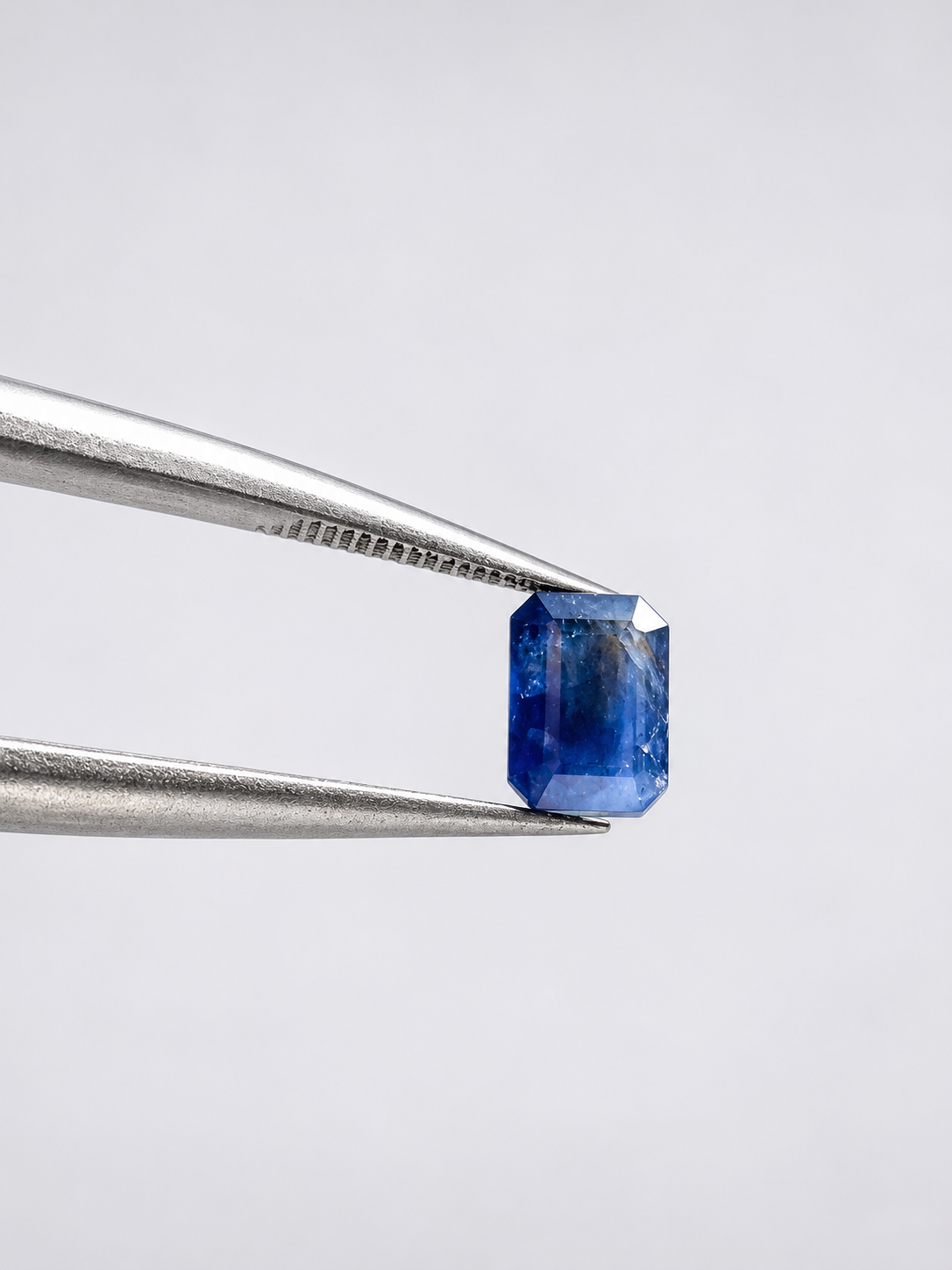
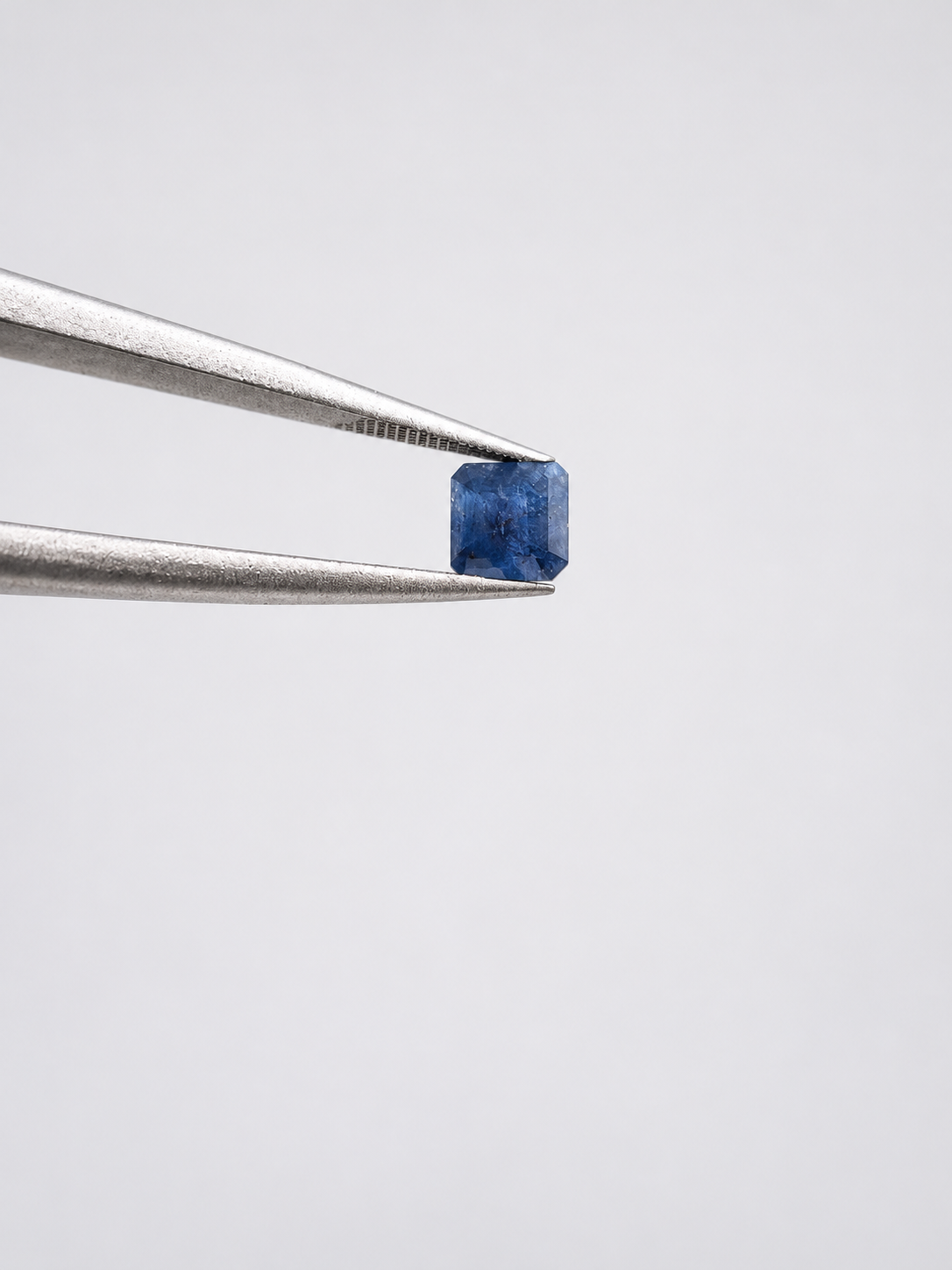
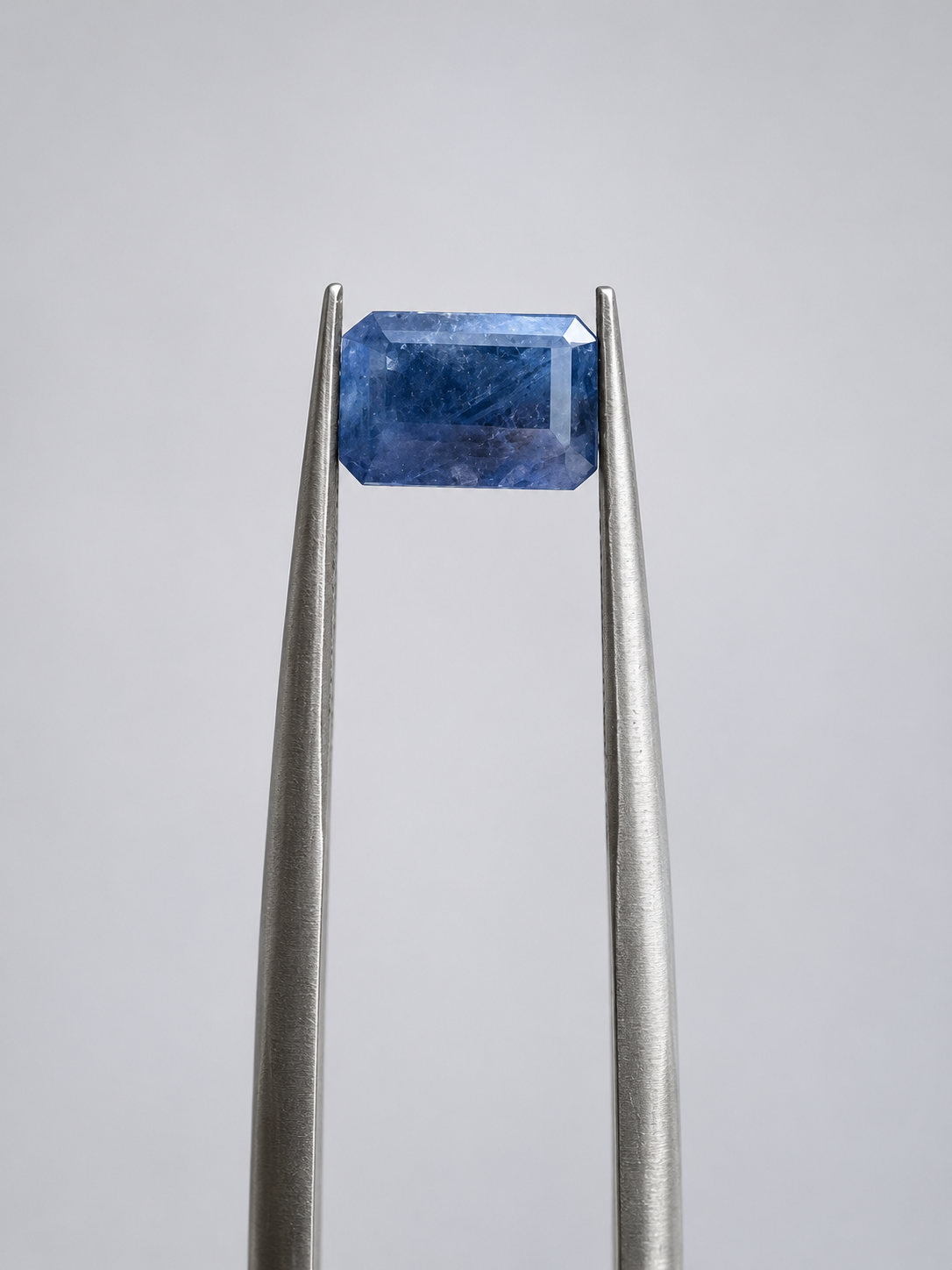
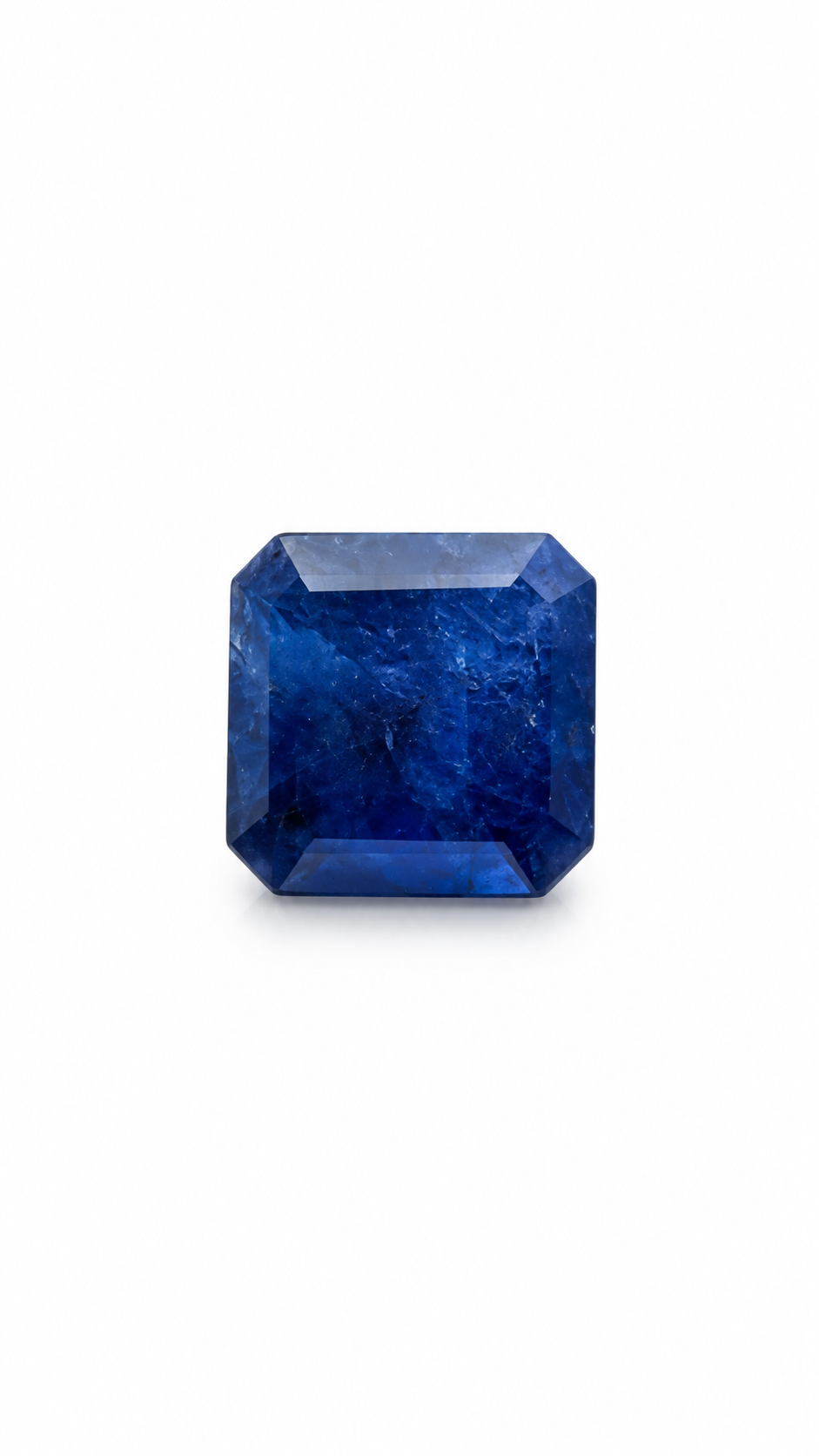
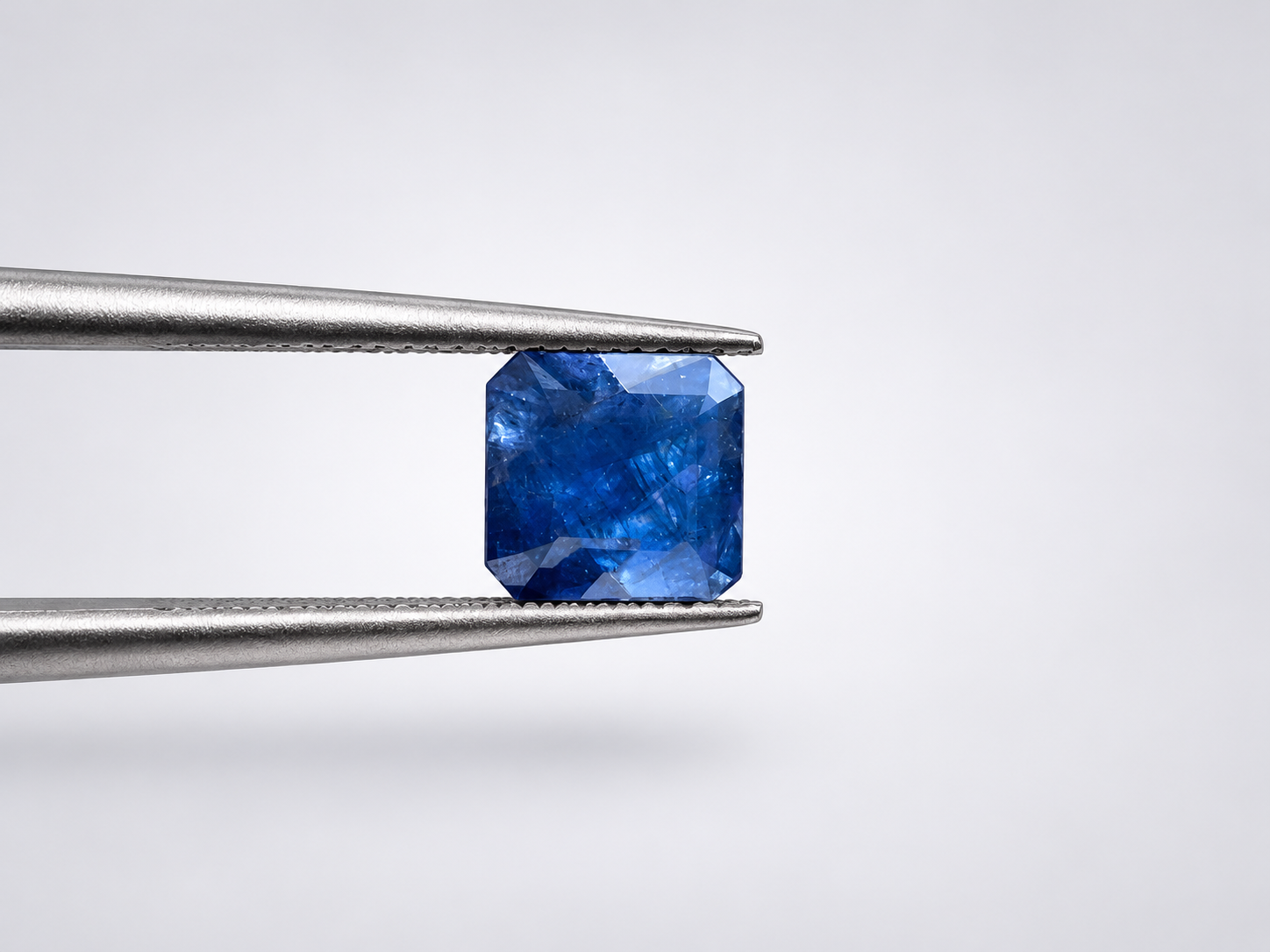
Kashmir sapphire is admired for a saturated blue that can appear both vivid and softly luminous. The finest appearance is often described as “cornflower blue,” a trade term suggesting an appealing balance of blue colour, brightness and gentle velvety texture.
A subtle softness caused by light scattering within the crystal is one of the most distinctive visual features. Very fine internal particles and microscopic rutile-related “silk,” sometimes arranged in milky bands, can create the velvety or slightly sleepy appearance that collectors prize.
Not every sapphire from Kashmir displays this appearance, and fine blue sapphires from other countries can look similar. Terms such as “cornflower blue” and “royal blue” describe trade impressions of colour; they are not, by themselves, proof of geographic origin.
Geological formation in the high Himalayas
Kashmir sapphires occur in a complex geological setting shaped by Himalayan mountain-building. Historic accounts describe sapphire-bearing metamorphic rocks and associated pegmatitic formations, recording intense pressure, temperature changes and fluid interaction over immense periods of time.
Scientific study of mineral inclusions continues to offer evidence about their geological history. Such work helps laboratories distinguish material from different sapphire-producing regions, although origin determination remains a specialised assessment rather than a simple visual judgment.
From remote mountains to world jewellery collections
News of the Kashmir discovery spread through established commercial routes linking the Himalayas with South Asia and the wider international gem trade. Exceptional sapphires eventually reached important centres of jewellery manufacture and collecting, including European markets.
The colour and scarcity of fine Kashmir stones made them especially attractive for prestige jewellery. Their reputation endured as sapphire supply grew from Sri Lanka, Myanmar and, much later, Madagascar. Over time, “Kashmir” became more than a geographic description: for collectors it came to represent a rare combination of history, beautiful natural colour and limited availability.
A modern market landmark: In May 2025, Christie’s reported that “The Regent Kashmir,” a 35.09-carat sapphire, sold in Hong Kong for approximately US$9.5 million. This illustrates the prices achievable by a rare, high-quality stone with documented origin — but it is not a typical valuation for other Kashmir sapphires.
Rarity, treatment and the importance of provenance
Kashmir origin is a powerful part of the gemstone’s commercial identity, but an attractive blue colour does not establish where a stone was mined. Responsible dealers rely on microscopic features, chemical analysis, reference collections and independent laboratory findings when presenting an origin claim.
Natural sapphires may be unheated or heat-treated. High-temperature treatment can improve the colour of some stones, including more recently recovered Kashmir material, but it may also alter or dissolve microscopic features that help identify origin. Treatment disclosure and reliable documentation are therefore especially important.
The value of an individual Kashmir sapphire depends on colour, transparency, weight, cut, treatment history, condition and the strength of its origin evidence. Fine unheated stones with persuasive laboratory documentation often occupy a particularly prestigious position in the market.
Key dates at a glance
| Period | Milestone |
|---|---|
| c. 1881 | A landslide is widely reported to have exposed sapphire-bearing rock near Sumjam in Paddar. |
| 1882–1887 | The Old Mine’s celebrated productive period brings exceptional blue sapphires to international attention. |
| 1887–1890 | Geological investigation and published accounts establish the deposit’s location and importance. |
| 1900s–1927 | Renewed work, including the New Mine, takes place intermittently; later output does not match the Old Mine. |
| 1981–1983 | A modern gemological expedition renews scientific attention to Kashmir sapphire. |
| 2024 | GIA documents newly recovered Kashmir material, confirming that limited finds still occur. |
| 2025 | “The Regent Kashmir” achieves approximately US$9.5 million at auction. |
A legacy preserved in every Kashmir sapphire
The story of Kashmir sapphire brings together nature, history and human endeavour. A chance discovery in an inaccessible Himalayan valley gave rise to one of the great gemstone legends of the nineteenth century, while the short-lived abundance of the Old Mine transformed exceptional blue corundum into a symbol of rarity and prestige.
Every natural sapphire preserves traces of the geological processes that created it. In the finest Kashmir stones, those traces can contribute to the soft glow and distinctive blue appearance admired by generations of gemologists, jewellers and collectors.