The historical legacy of emeralds
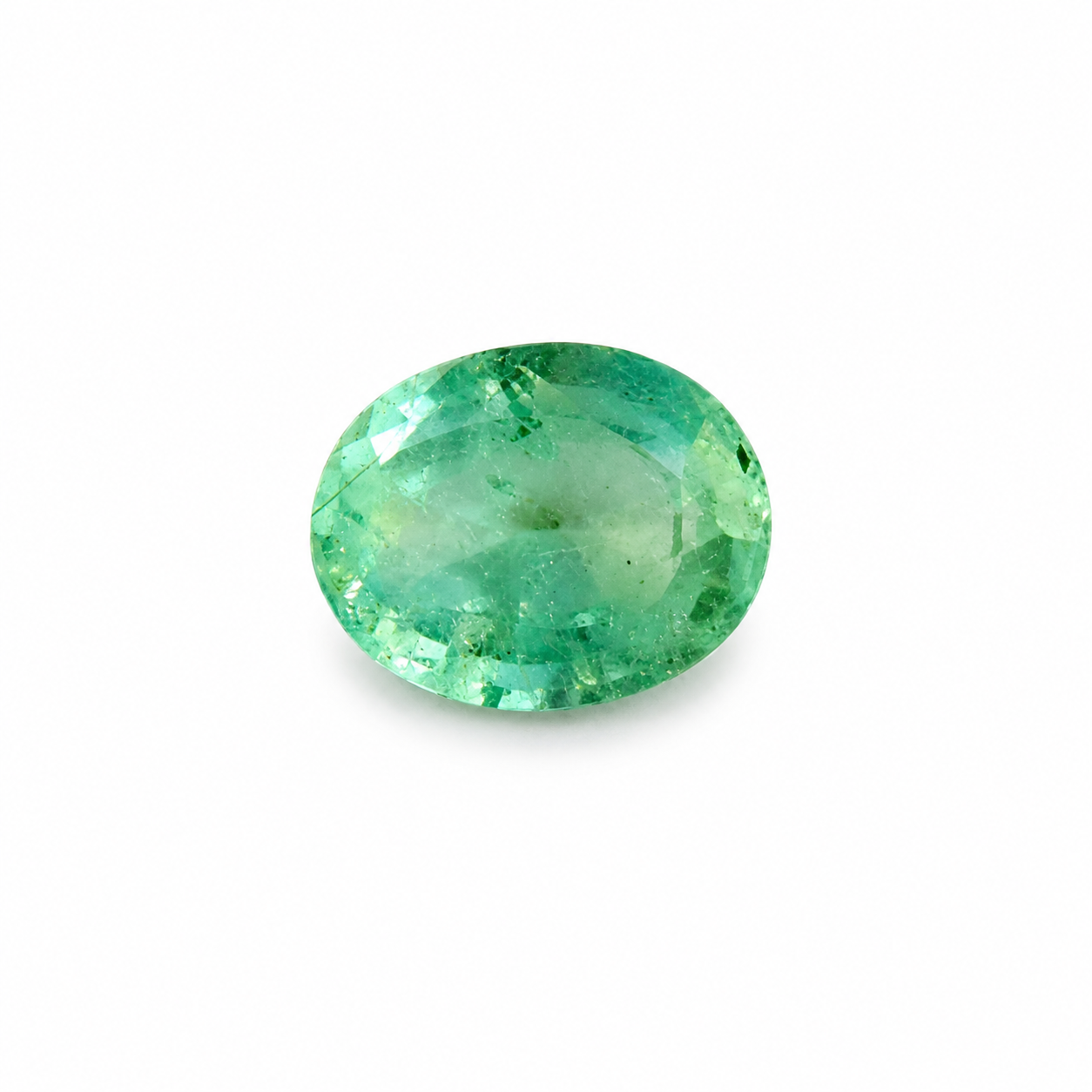
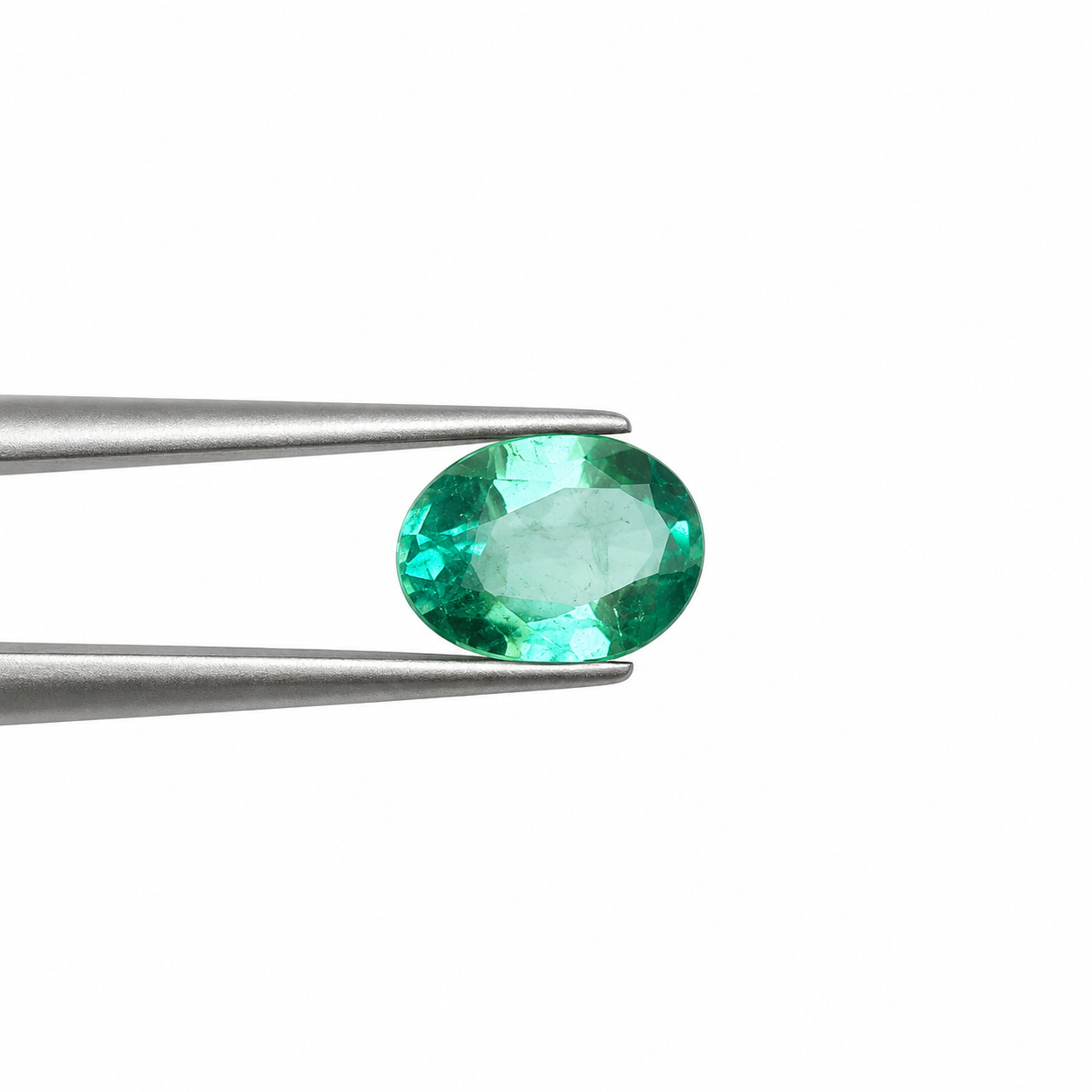
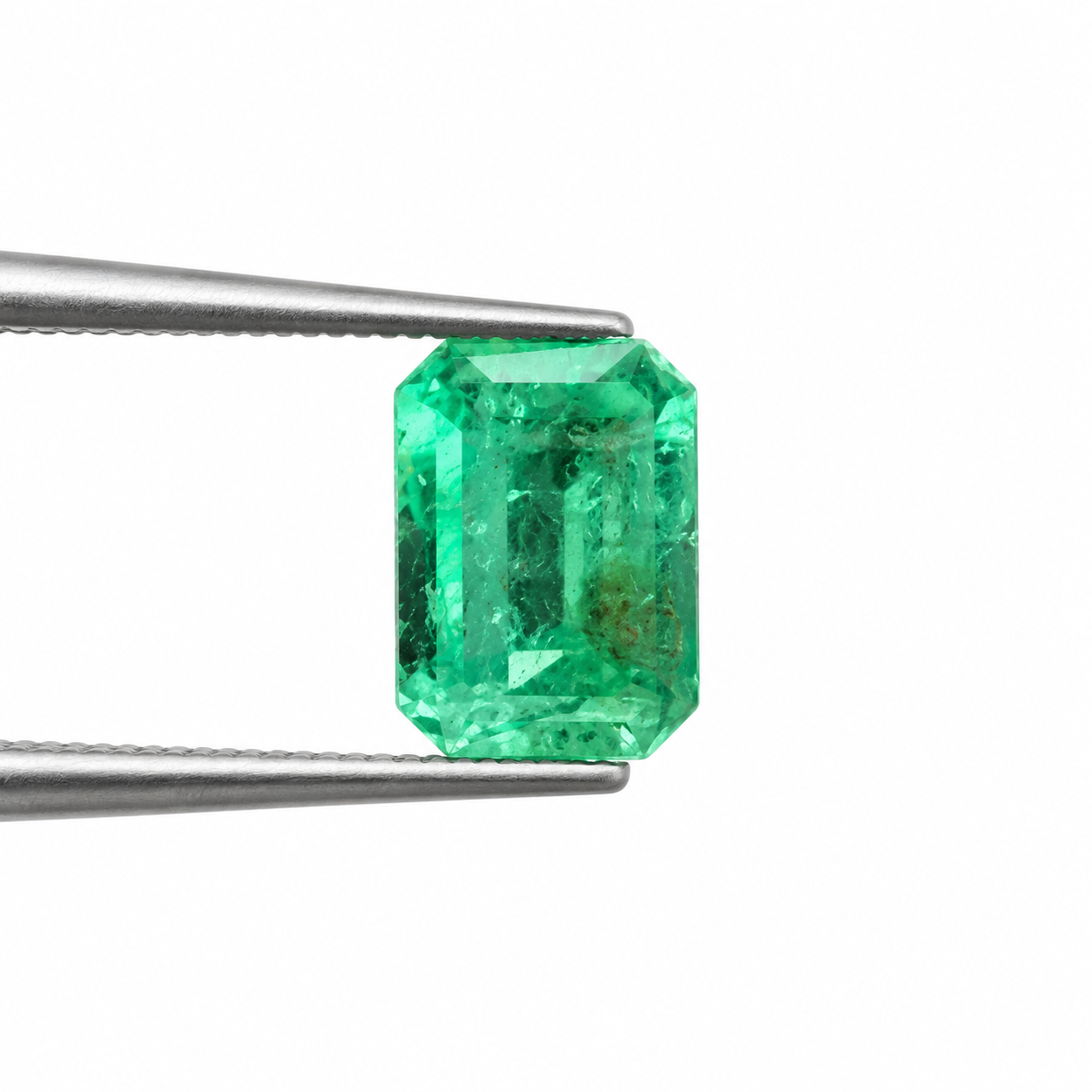
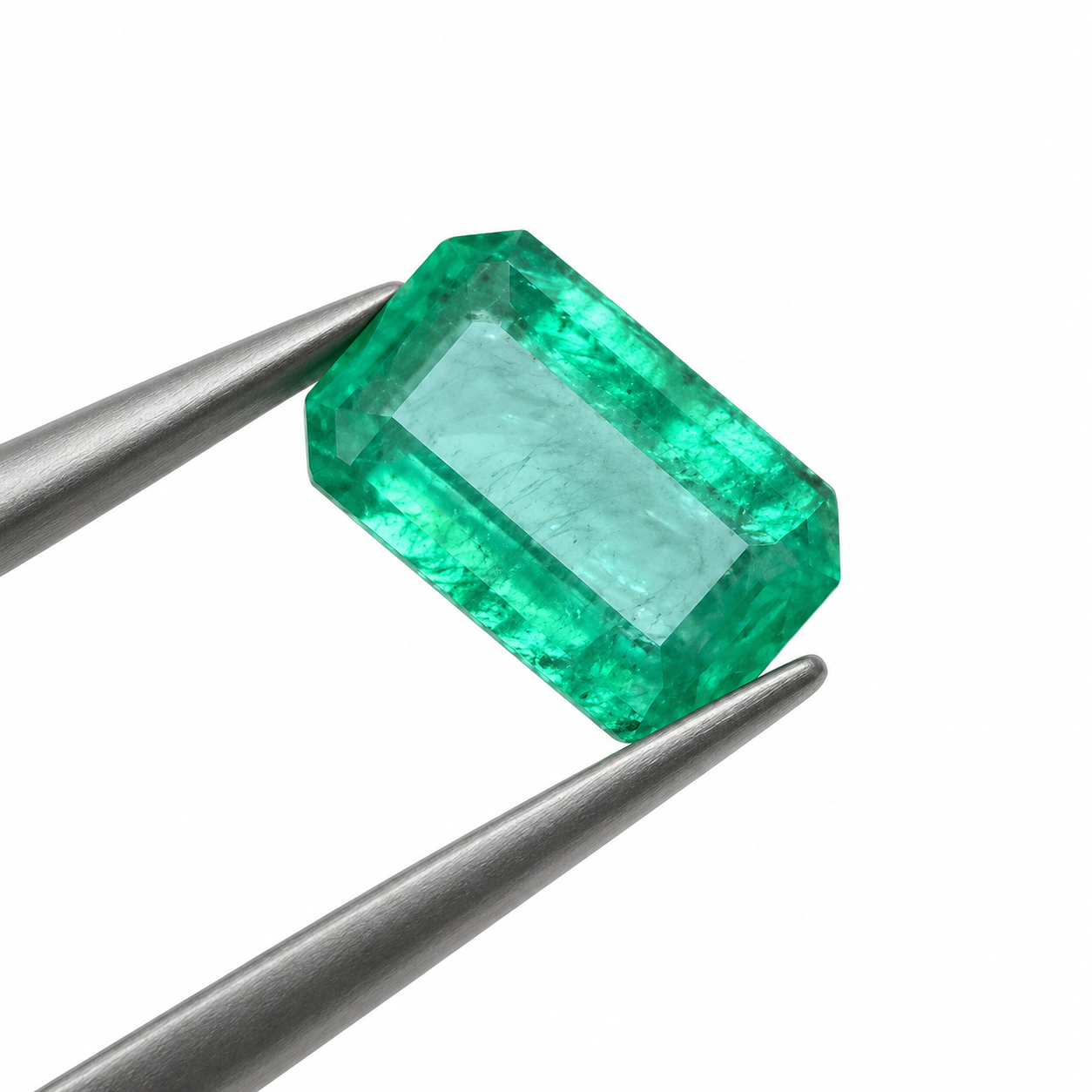
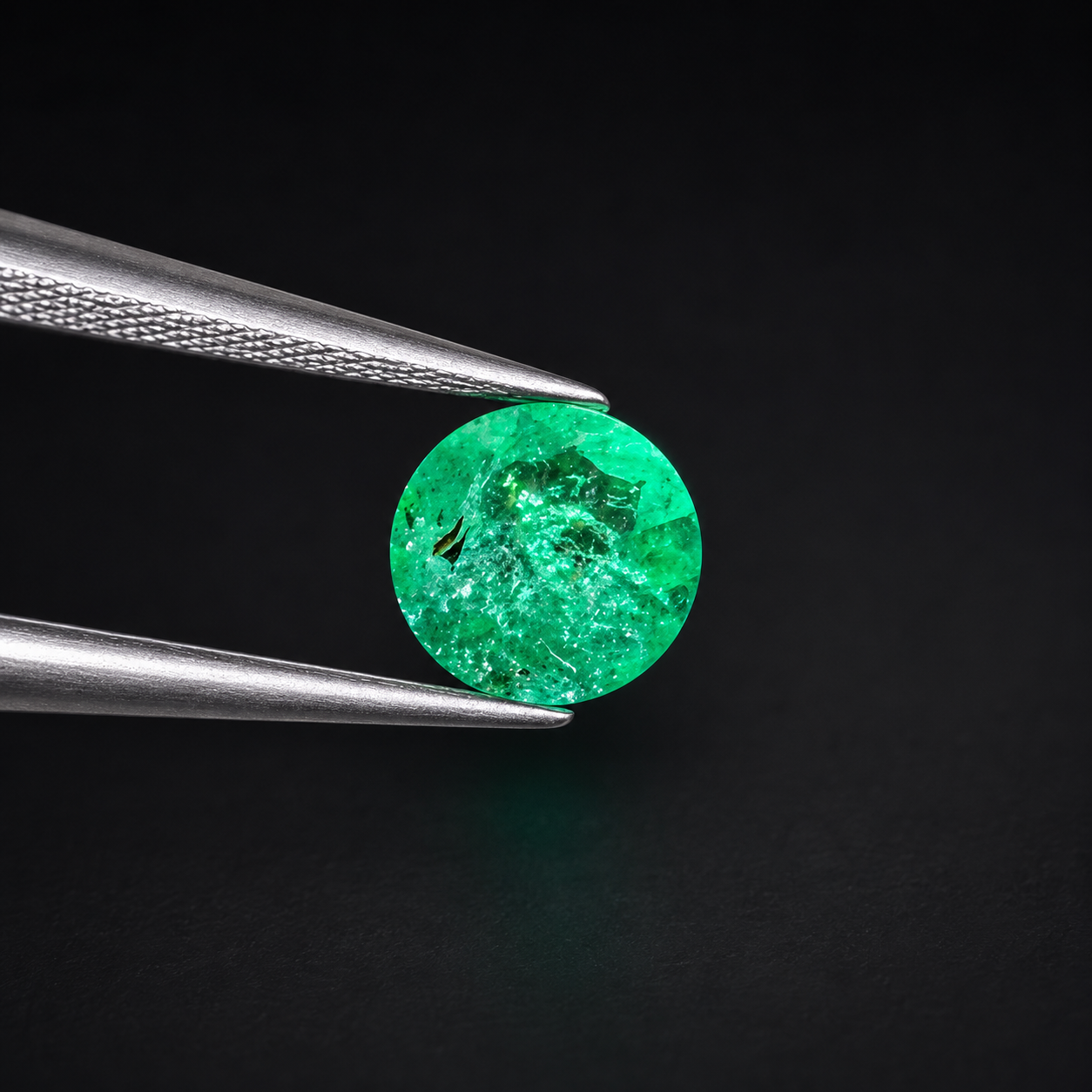
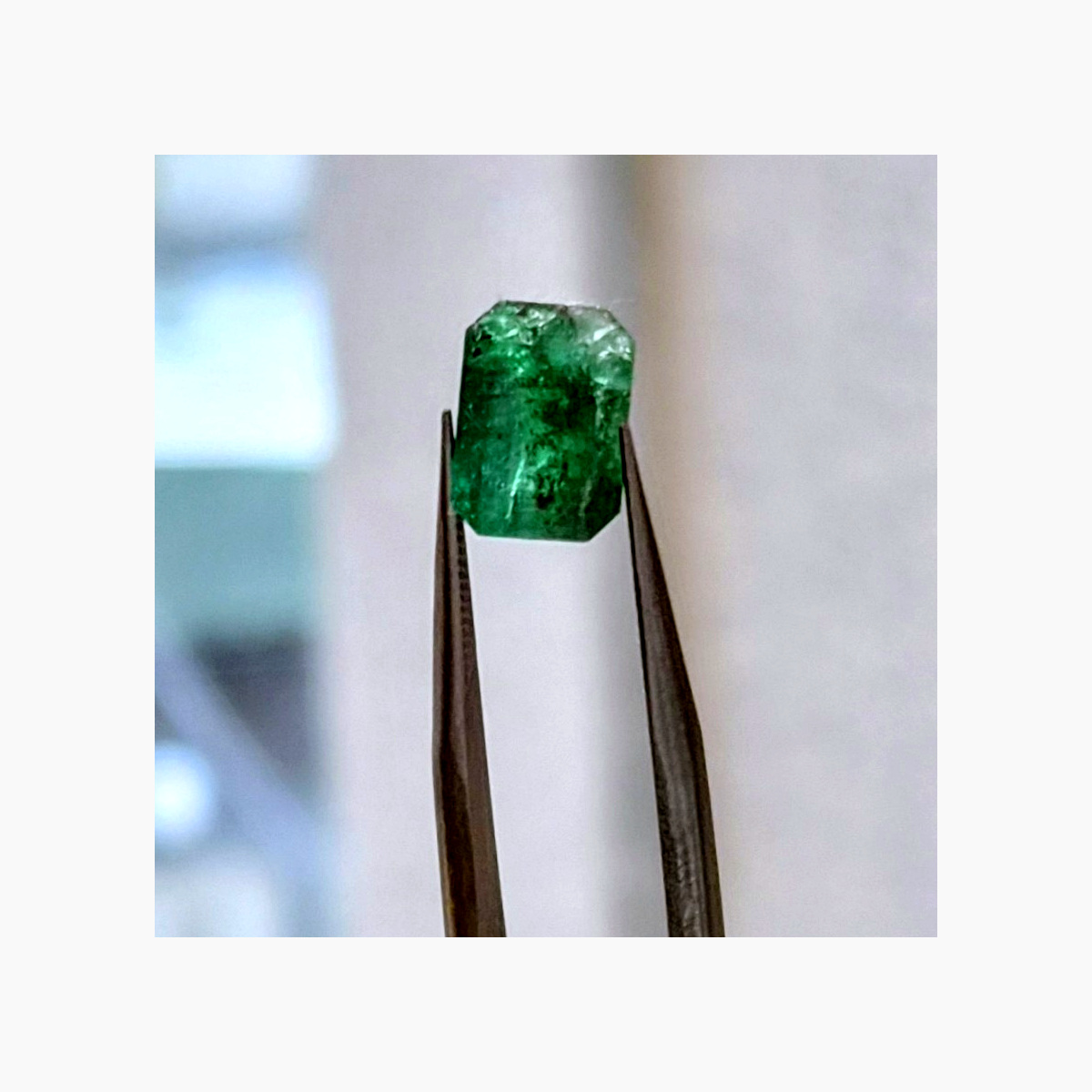
For thousands of years, emeralds have been among the world’s most admired gemstones. Celebrated for their captivating green colour, they have symbolised beauty, prosperity, renewal and prestige across many cultures.
The word emerald traces back to the ancient Greek smaragdos, a term associated with green gemstones. The earliest well-documented mining operations were in Egypt’s Eastern Desert, where emeralds were extracted more than two thousand years ago and became closely associated with Egyptian royalty, including Cleopatra.
Roman writers such as Pliny the Elder praised the colour of emeralds in the first century. Later, European and Asian rulers treasured them in jewellery, ceremonial ornaments and royal collections. The emergence of Colombian emeralds in the sixteenth and seventeenth centuries transformed international trade — but the story also extends deep into Central and South Asia.
A remarkable connection: In 2025, researchers publishing in GIA’s Gems & Gemology examined two emeralds set in a sixteenth-century pendant associated with Catherine de’ Medici. Their analysis concluded that the stones originated in Pakistan, closely matching emeralds from the Swat Valley.
Emeralds of Swat Valley, Pakistan
Nestled in the mountains of northern Pakistan, the Swat Valley is one of South Asia’s most significant sources of natural emeralds. Located in Khyber Pakhtunkhwa, Swat produces emeralds with attractive green colour, including specimens with exceptional saturation and transparency.
Historical origins and discovery
Although Swat’s deposits became widely recognised in the modern industry during the twentieth century, scientific research suggests that emeralds from the region may have circulated in international trade centuries earlier.
The modern discovery of deposits near Mingora is generally dated to 1958. Later exploration identified important emerald-bearing locations including Mingora, Gujar Killi, Charbagh, Makhad and Shamozai. In 1981, Swat emeralds were formally presented to the international trade at the Tucson Gem and Mineral Show, where their colour and gemological characteristics attracted widespread attention.
A distinctive character
Swat emeralds are appreciated for greens ranging from bright, lively tones to deeper, richly saturated shades. Their formation is linked to complex tectonic processes in the Indus suture zone. Colour, natural inclusions and trace-element composition give these gemstones characteristics that laboratories can study when investigating geographic origin.
Emeralds of Panjshir, Afghanistan
In the rugged Hindu Kush northeast of Kabul, the Panjshir Valley holds a special place among Afghanistan’s mineral resources. It is internationally recognised for natural emeralds, including fine specimens with rich green colour and impressive transparency.
Historical background
Afghanistan has long stood between Central Asia, South Asia and the Middle East, with mineral wealth such as Badakhshan lapis lazuli traded since antiquity. The deeper history of Panjshir emerald mining is less clearly documented. Reliable modern records began to emerge in the twentieth century, with systematic geological investigations in the 1970s and an important early discovery reported near Buzmal.
Development of the emerald trade
Difficult terrain and prolonged political instability made organised mining and transport challenging. Local miners continued small-scale extraction through tunnels and excavations. After the Soviet withdrawal in 1989, international interest renewed. A detailed GIA report published in 1991 described the valley’s resources and estimated that roughly US$10 million worth of emeralds had been produced during 1990.
Selected Panjshir stones have been compared with fine Colombian emeralds, particularly those from Muzo. Individual quality still depends on colour, clarity, size, cut and treatment history — not origin alone.
Swat and Panjshir — two remarkable origins
Though set in different countries, both regions belong to the extraordinary geological landscape of the greater Himalayan–Hindu Kush mountain system. Each has its own history, mineral characteristics and gemstone traditions.
Swat gained particular historical significance through research connecting Pakistani emeralds with earlier European jewellery, alongside its documented modern commercial development from 1958. Panjshir’s reputation grew strongly in the late twentieth century as exploration, mining and gemological research brought its resources to wider attention.
Emeralds from both regions are valued for their natural beauty and their potential to display vivid green colour. Their actual quality and commercial value depend on the individual stone rather than geographic origin alone.
Key dates at a glance
| Period | Milestone |
|---|---|
| Ancient Egypt | Emeralds are mined in the Eastern Desert and associated with royalty. |
| 16th century | A pendant later linked to Catherine de’ Medici is set with emeralds now identified as Pakistani in origin. |
| 1958 | Modern discovery of emerald deposits near Mingora, Swat. |
| 1981 | Swat emeralds are presented at the Tucson Gem and Mineral Show. |
| 1970s–1980s | Systematic investigation and growing international attention in Panjshir. |
| 1991 | GIA publishes a detailed report on Panjshir emerald resources. |
| 2025 | Research connects historic European jewellery emeralds with Swat, Pakistan. |
A legacy preserved in every emerald
From ancient Egyptian mines to the mountain valleys of Swat and Panjshir, emeralds have travelled through centuries of history, crossing boundaries and connecting cultures through trade and craftsmanship.
Every natural emerald is the result of geological processes extending over millions of years. Its colour, internal characteristics and crystal structure preserve evidence of the environment in which it formed. The emeralds of Pakistan and Afghanistan are part of the natural and historical heritage of two remarkable regions.